
Brown eggs, white eggs — shoppers often assume one is healthier or more natural. In truth the difference is only skin deep.
It comes down to the breed
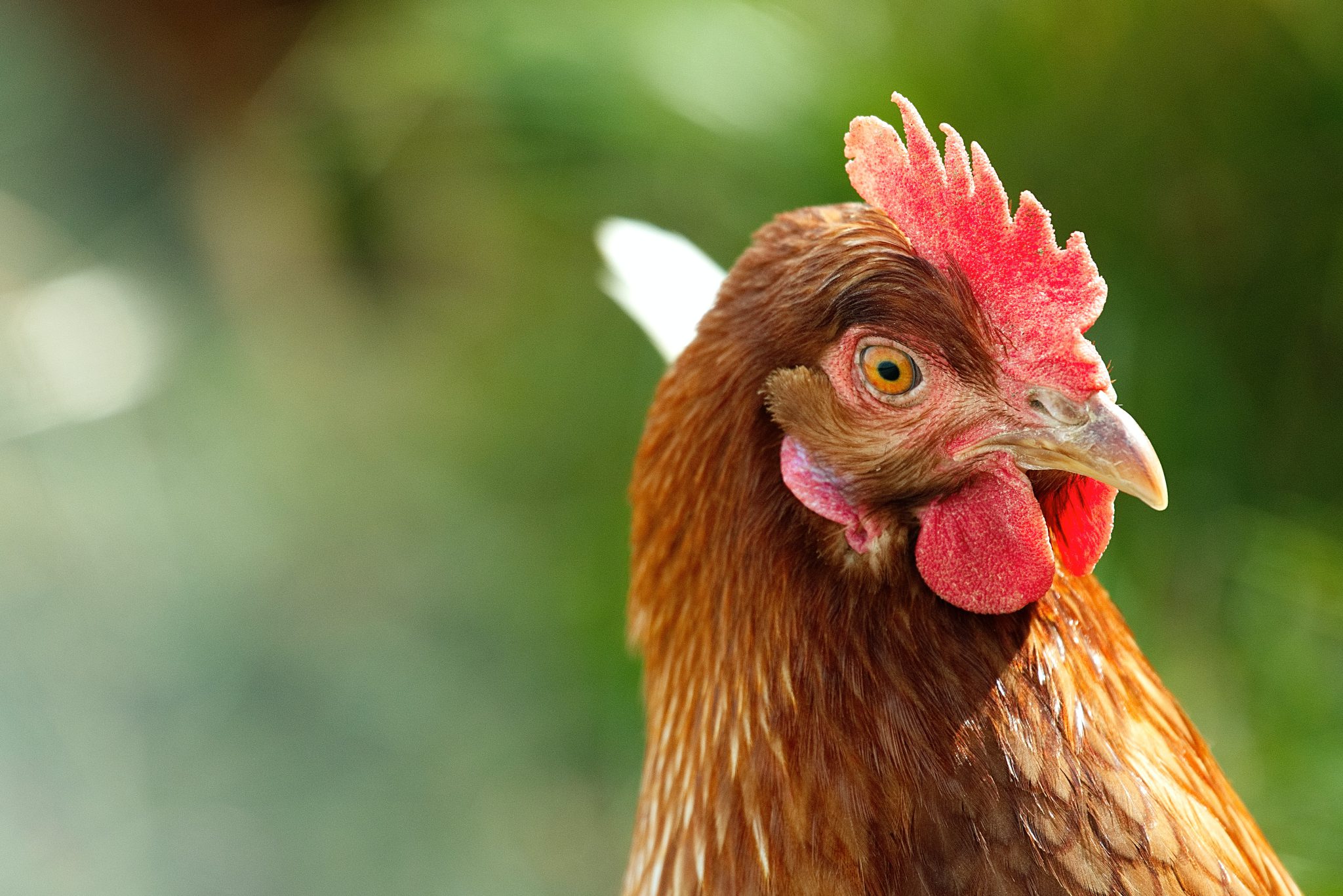
Shell colour is determined by the breed of the hen, nothing more. As a rule of thumb, hens with white feathers and white earlobes lay white eggs, while hens with reddish-brown feathers and red earlobes lay brown eggs. The colour is set by the bird's genetics, not by how it was raised.
Nutrition is the same
Brown and white eggs are nutritionally equivalent — the same protein, vitamins and taste. What a hen eats has far more influence on an egg's nutrition and yolk colour than the colour of its shell ever does.
Why brown eggs sometimes cost more
Where brown eggs are priced higher, it is usually because the breeds that lay them are larger birds that eat more feed, making them more expensive to keep. It reflects the cost of production, not a difference in quality.
Choose eggs on freshness and on how the hens are raised — not on the colour of the shell.